

Comprehensive guide to choosing CPAP machine for sleep
Finding the right CPAP machine can feel daunting for newly diagnosed British patients facing sleep apnea. With over 1.5 million people in the United Kingdom affected by this condition, choosing suitable therapy equipment becomes vital for restoring restful nights and daily wellbeing. Understanding your options and which features truly matter will help you make confident decisions to manage your sleep apnea comfortably and effectively.
Table of Contents
Quick Summary
| Key Point | Explanation |
| 1. Assess Your Sleep Needs | Begin with a detailed sleep study to understand your apnoea severity and determine appropriate CPAP settings. |
| 2. Compare CPAP Machine Types | Explore fixed pressure, auto-adjusting, and bilevel machines based on your unique treatment requirements. |
| 3. Choose the Right Mask | Select a mask that matches your breathing style and comfort preferences to enhance your therapy experience. |
| 4. Verify Prescription Compatibility | Ensure your CPAP device matches your specific prescription and lifestyle needs for optimal effectiveness. |
| 5. Evaluate Supplier Support | Select a supplier offering strong support, quick delivery, and clear communication channels for any issues. |
Step 1: Assess your sleep therapy requirements
Understanding your specific sleep apnoea needs is crucial for selecting the right CPAP machine. Professional medical standards recommend a comprehensive assessment to determine your precise therapeutic requirements, which involves several key diagnostic steps.
Your journey begins with a detailed sleep study conducted by a healthcare professional. This evaluation will measure factors such as your apnoea hypopnoea index (AHI), oxygen desaturation levels, and overall sleep quality. These metrics help determine the severity of your condition and guide the specific CPAP machine settings you will need. Typically, patients with an AHI above 15 events per hour are considered candidates for CPAP therapy, with machine pressure settings tailored to your unique respiratory patterns.
During your assessment, expect a thorough examination that might include overnight monitoring, respiratory function tests, and potentially additional cardiovascular screenings. Your healthcare provider will review your medical history, assess potential risk factors, and recommend a personalised treatment approach that addresses your specific sleep disorder characteristics.
Expert Advice: Bring a comprehensive list of your current medications and any existing health conditions to your initial sleep assessment to ensure the most accurate diagnosis and treatment plan.
Step 2: Compare CPAP machine features and types
Navigating the world of CPAP machines requires understanding the nuanced differences between available technologies. Comprehensive device comparisons reveal multiple machine types designed to address varying sleep apnoea conditions, each with distinct characteristics that could significantly impact your treatment effectiveness.
The primary CPAP machine categories include fixed pressure devices, auto adjusting pressure machines (APAP), and bilevel positive airway pressure machines (BiPAP). Fixed pressure machines deliver consistent air pressure prescribed by your sleep specialist, while APAP machines automatically adjust pressure based on your breathing patterns throughout the night. BiPAP machines offer two distinct pressure levels one for inhalation and another for exhalation which can be particularly beneficial for patients with more complex respiratory requirements.
When comparing machines, consider critical features such as noise levels, humidity control, data tracking capabilities, and mask compatibility. Some advanced models offer integrated mobile app connectivity allowing you to monitor your sleep therapy progress, while others provide altitude compensation for frequent travellers. Each feature contributes to your overall comfort and treatment success, so carefully evaluate which specifications align most closely with your personal sleep therapy needs.
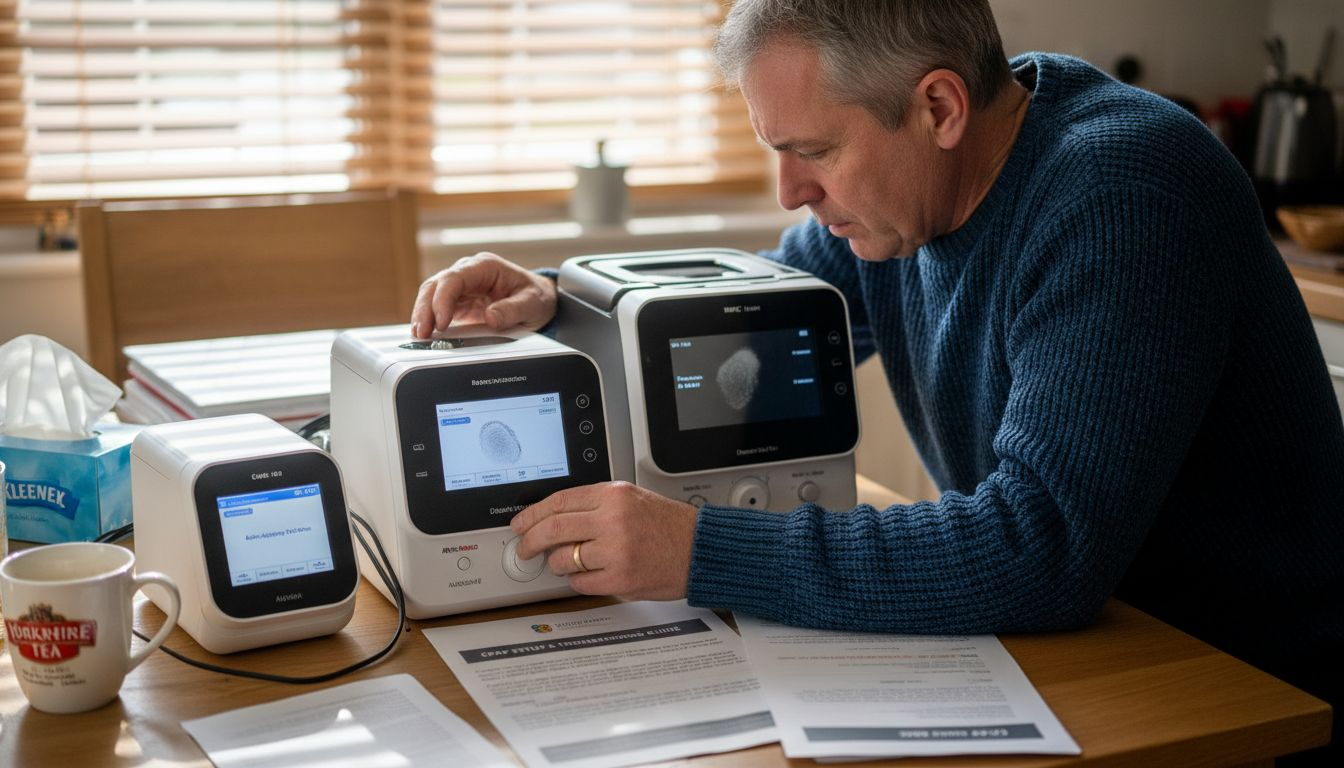
Here is a concise comparison of CPAP machine types and their ideal use cases:
| Machine Type | Best For | Key Benefit |
| Fixed Pressure CPAP | Stable breathing patterns | Consistent, simple therapy settings |
| APAP (Auto-adjusting) | Variable breathing during sleep | Adjusts pressure as needed overnight |
| BiPAP (Bilevel Pressure) | Complex or chronic respiratory cases | Easier exhalation, supports weak lungs |
Expert Advice: Request a trial period with multiple CPAP machine types to determine which configuration provides the most comfortable and effective therapy for your specific sleep apnoea condition.
Step 3: Select suitable accessories and mask options
Choosing the right CPAP mask and accessories is critical to ensuring comfortable and effective sleep therapy. Comprehensive mask selection strategies reveal multiple options designed to accommodate individual breathing patterns and facial anatomies, making personalisation key to successful treatment.
The primary mask types include nasal pillows, nasal masks, full-face masks, and hybrid designs. Nasal pillows work best for people who breathe through their nose and prefer minimal facial coverage, while full-face masks accommodate mouth breathers and individuals with facial hair. Your sleeping position, breathing style, and comfort preferences will significantly influence which mask configuration suits you most effectively. Some patients require multiple mask types to find their optimal fit, so do not become discouraged if the first option feels uncomfortable.
Beyond mask selection, consider complementary accessories that enhance your therapy experience. Heated humidifiers can prevent dryness, specialised tubing reduces condensation, and adjustable headgear ensures a secure yet comfortable fit. Many advanced masks now feature quick release mechanisms and soft silicone cushions that adapt to facial movements, minimising skin irritation and improving overall comfort.
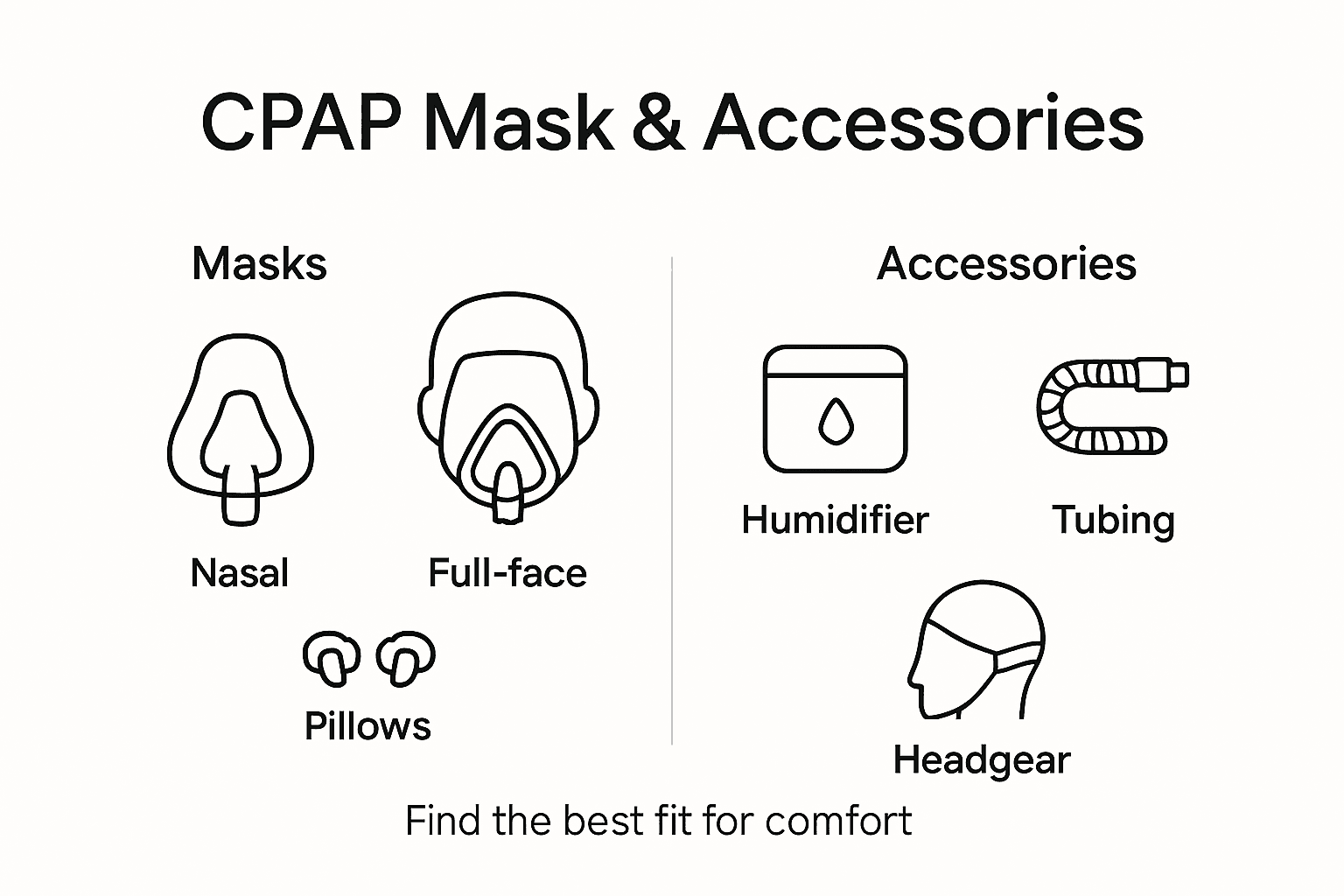
Below is a summary of CPAP mask styles and which patient profiles commonly benefit:
| Mask Type | Preferred By | Notable Advantage |
| Nasal Pillows | Nose breathers, minimalists | Unobtrusive, lightweight |
| Nasal Mask | Most users, side sleepers | Balanced fit, versatile use |
| Full-face | Mouth breathers, allergy sufferers | Secure seal for mouth usage |
| Hybrid | Mixed breathing, facial hair | Combines nose & mouth support |
Expert Advice: Request mask fittings from a professional who can measure your facial structure and recommend personalised mask options that provide optimal seal and comfort.
Step 4: Verify compatibility with prescription and lifestyle
Navigating the complex world of CPAP therapy requires careful consideration of both medical requirements and personal lifestyle factors. Prescription guidelines for medical devices emphasise the critical importance of obtaining a proper medical authorisation that precisely matches your specific sleep apnoea diagnosis and therapeutic needs.
Your healthcare provider will determine the exact pressure settings and machine specifications based on comprehensive sleep study results. This prescription is not merely a formality but a crucial document that ensures your CPAP machine delivers the precise air pressure required to maintain open airways during sleep. Consider your daily routine carefully when selecting a device consider factors such as travel frequency, noise tolerance, power requirements, and portability. Some machines offer compact designs ideal for frequent travellers, while others prioritise advanced data tracking and quieter operation for home use.
Insurance coverage and medical regulations also play significant roles in your CPAP machine selection. Most healthcare providers and insurance companies require a formal sleep study diagnosis and prescription before approving equipment reimbursement. This means you will need documentation from a sleep specialist detailing your specific condition, recommended treatment parameters, and justification for the prescribed device.
Expert Advice: Retain copies of your sleep study results and prescription to streamline insurance claims and ensure seamless equipment procurement.
Step 5: Confirm supplier support and delivery options
Securing reliable supplier support is as critical as selecting the right CPAP machine for your sleep therapy journey. Supply framework services offer comprehensive networks designed to ensure seamless equipment procurement and ongoing patient support.
When evaluating potential suppliers, investigate their delivery capabilities, installation services, and post purchase support options. Some providers offer specialised delivery windows, home installation assistance, and technical support packages that can significantly enhance your therapy experience. Consider factors such as delivery timeframes, whether they provide next day or scheduled delivery, and what kind of technical support is available after your initial purchase. Look for suppliers who offer remote monitoring services, patient education resources, and clear communication channels for addressing potential equipment concerns.
Additionally, verify the supplier’s warranty terms, return policies, and maintenance support. Understanding these details upfront can prevent future complications and ensure you have a reliable support system throughout your sleep therapy journey. Reputable suppliers typically provide comprehensive documentation, clear contact information for technical support, and transparent processes for equipment replacement or repair.
Expert Advice: Request a detailed breakdown of the supplier’s support services and keep their contact information easily accessible for quick resolution of any potential equipment issues.
Find Your Perfect CPAP Solution Today
Selecting the right CPAP machine and accessories can feel overwhelming when faced with technical choices like APAP versus BiPAP devices or finding a mask that fits your unique facial structure. This guide highlights the importance of addressing your personalised sleep apnoea needs, from prescription compatibility to comfort features that impact your nightly therapy success. Whether you struggle with noisy devices, lack of humidity control, or complex pressure settings, you deserve solutions tailored to your lifestyle and medical requirements.
Explore trusted CPAP machines, masks, and essential accessories with confident ease at CPAPSupply. Take advantage of our UK-based next-day delivery and free shipping on orders over £150 to start your journey towards better sleep without delays. Discover your ideal device on CPAPSupply landing page and benefit from expert guidance that aligns with your prescription and lifestyle. Don’t wait to improve your sleep therapy comfort and effectiveness—browse our collection now and experience the difference of a personalised approach.
Frequently Asked Questions
What is the first step in choosing a CPAP machine for sleep?
Assessing your specific sleep therapy requirements is the first step. Schedule a comprehensive sleep study with a healthcare professional to measure your Apnoea Hypopnoea Index (AHI), oxygen levels, and sleep quality to determine your therapy needs.
How do I compare different CPAP machine types?
To compare CPAP machine types, understand the differences between fixed pressure, auto-adjusting (APAP), and bilevel pressure (BiPAP) machines. Evaluate features like noise level, data tracking, and humidity control to find the best match for your sleep patterns and comfort preferences.
What should I consider when selecting a CPAP mask?
When selecting a CPAP mask, consider factors such as your breathing style and facial anatomy. Test different mask types—nasal pillows, nasal masks, full-face masks, and hybrids—to ensure a good fit and comfort during sleep.
How can I ensure my CPAP machine is compatible with my prescription?
Verify that your CPAP machine’s specifications match your medical prescription. Discuss your exact requirements with your healthcare provider to confirm the pressure settings and compatibility with any lifestyle factors you need to consider.
What type of support should I expect from a CPAP supplier?
When evaluating a CPAP supplier, expect reliable customer support, including installation assistance and ongoing technical help. Check their delivery options, warranty terms, and return policies to ensure they align with your needs for seamless therapy management.
How can I enhance my CPAP therapy experience?
Enhance your CPAP therapy experience by selecting suitable accessories such as heated humidifiers and specialised tubing. Consider incorporating adjustments to your therapy setup regularly to improve comfort and optimise your treatment efficacy.